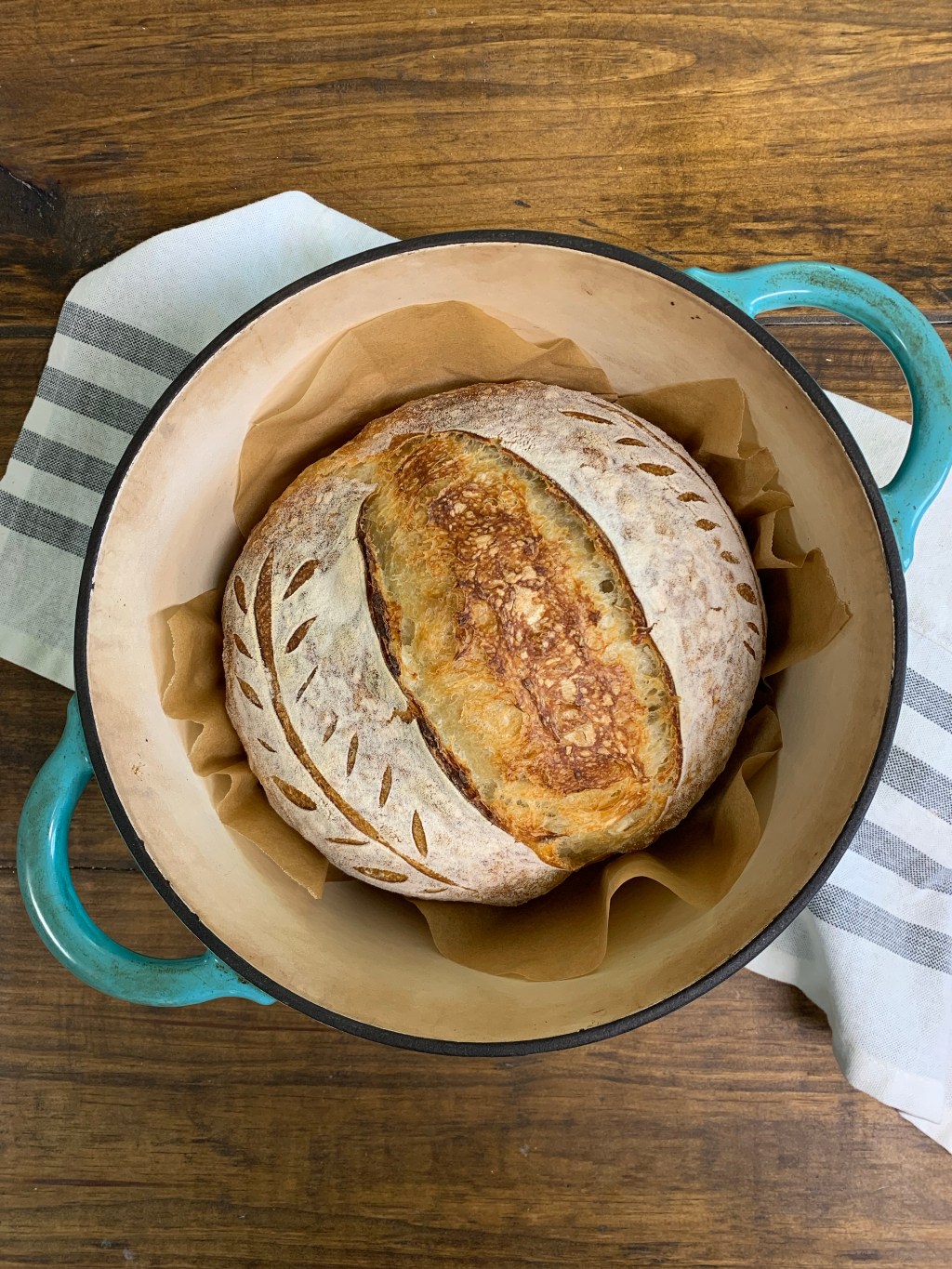
These are my favorite sourdough tools I’m using right now, and some are on my list to buy.
I began my sourdough journey a little less than a year ago. On a whim, I decided I wanted to give it a try and the rest has been history. I’ve found over the last year there are some items I can’t do without when making sourdough bread. My wish list of items I look forward to buying is growing as well.
If you are not familiar with sourdough or don’t have a starter of your own, please visit my post All Things Sourdough Starter for information on how to start your own sourdough starter. Or if you are local to me, you can visit my shop to get some of my dehydrated sourdough starter.
Getting started with sourdough bread is easier than you think. I have come to think that it’s better to just make the bread than spend too much time overthinking and researching it. That being said, there are a few things you will need to get started. I have grouped these sourdough tools into essentials and non-essentials. Tools to make baking easier and tools you could do without.

Disclaimer: I am a participant in the Amazon Services LLC Associates Program, an affiliate advertising program designed for me to earn fees by linking to Amazon.com. As an Amazon Associate, I earn a very small amount from qualifying purchases at no cost to you.
Essentials
Sourdough Starter Jar: While using any jar or container around the house is possible I have found particular styles to be easiest to work with.
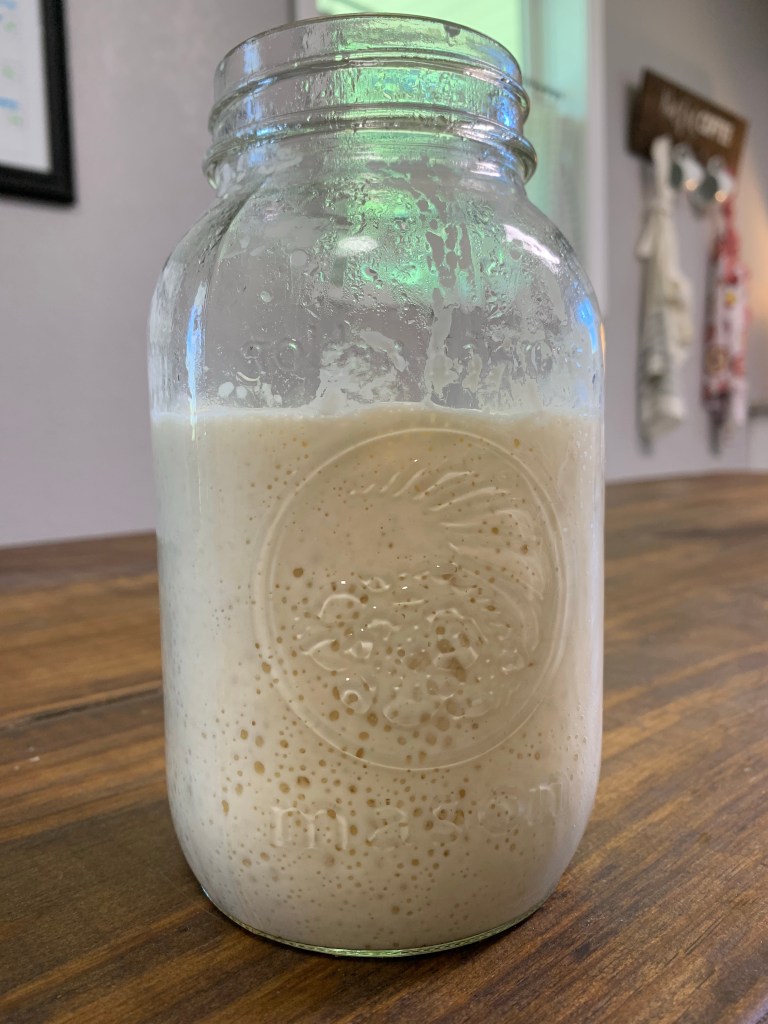
I began my starter in a simple glass bowl with a lid, now I use something similar to these jars. The wide mouth at the top makes it easy to add water, flour, and mix without making too much of a mess. The size is perfect for simple sourdough baking amounts. The seal on these lids is a wonderful addition as well.
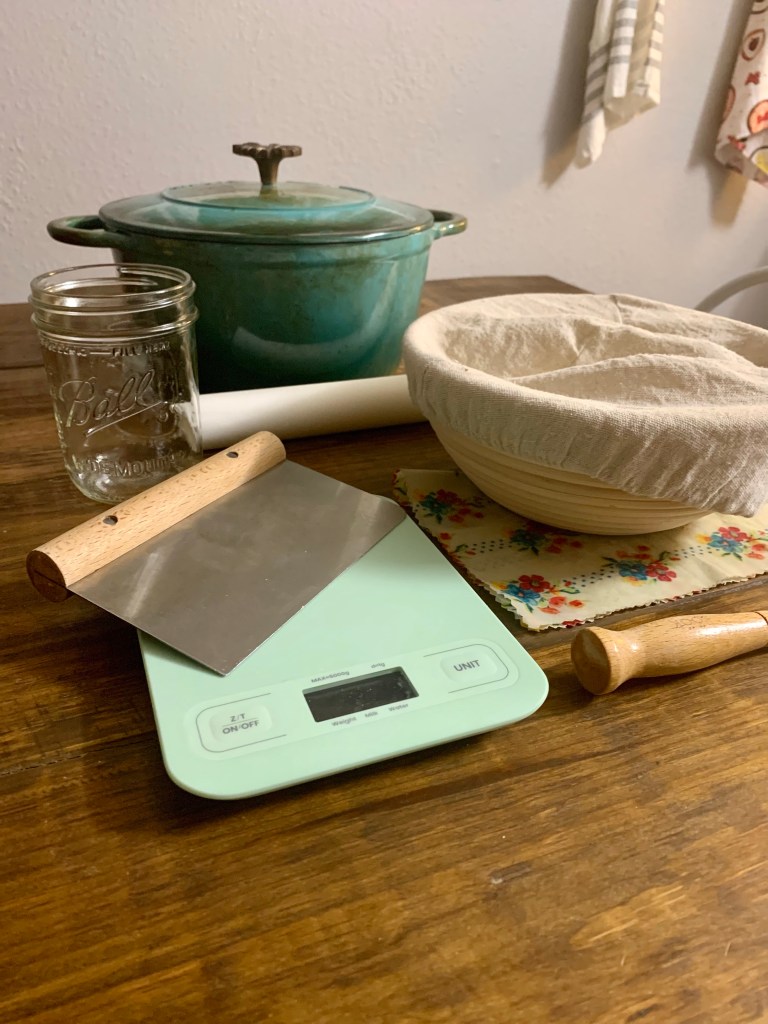
Kitchen Scale: My kitchen scale has completely changed my baking since I purchased it. The accuracy of using a scale has helped me to feed my starter exactly what it needs, eliminate dense dough, and assist in weighing out portions.
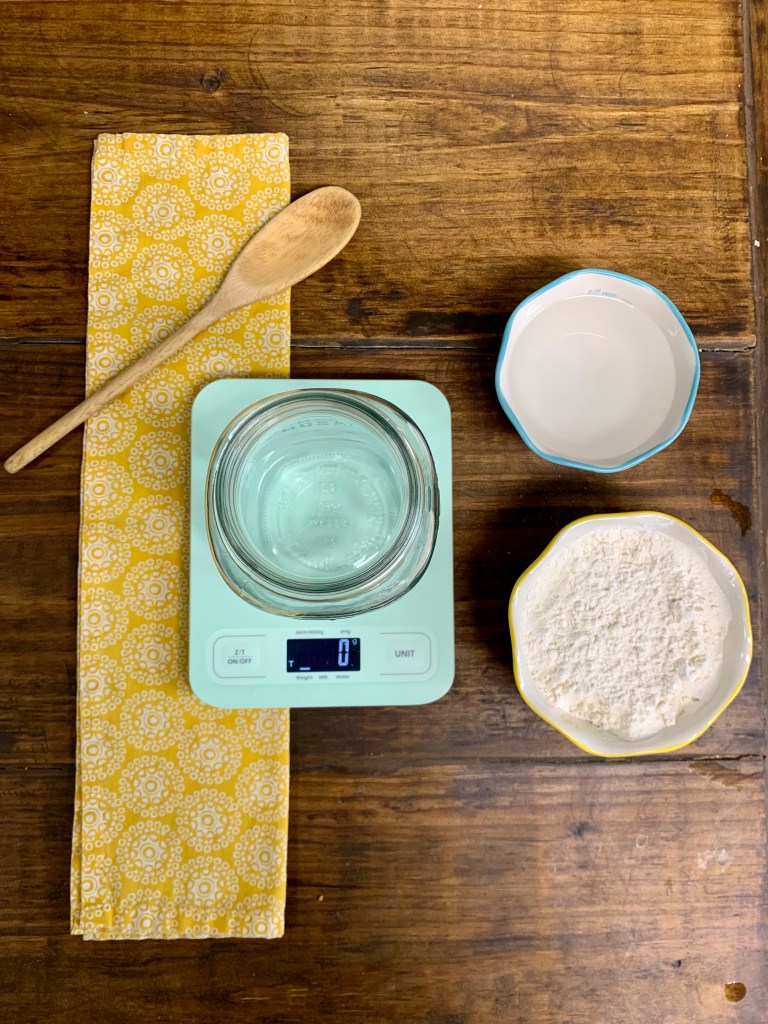
This kitchen scale is under $15 and has done everything I needed it to. Simple works just fine with these.
Dutch Oven: Using a Dutch oven has given me the most consistent success when baking sourdough bread. The steam that is trapped inside during the first part of the bake cannot be compared with other methods.
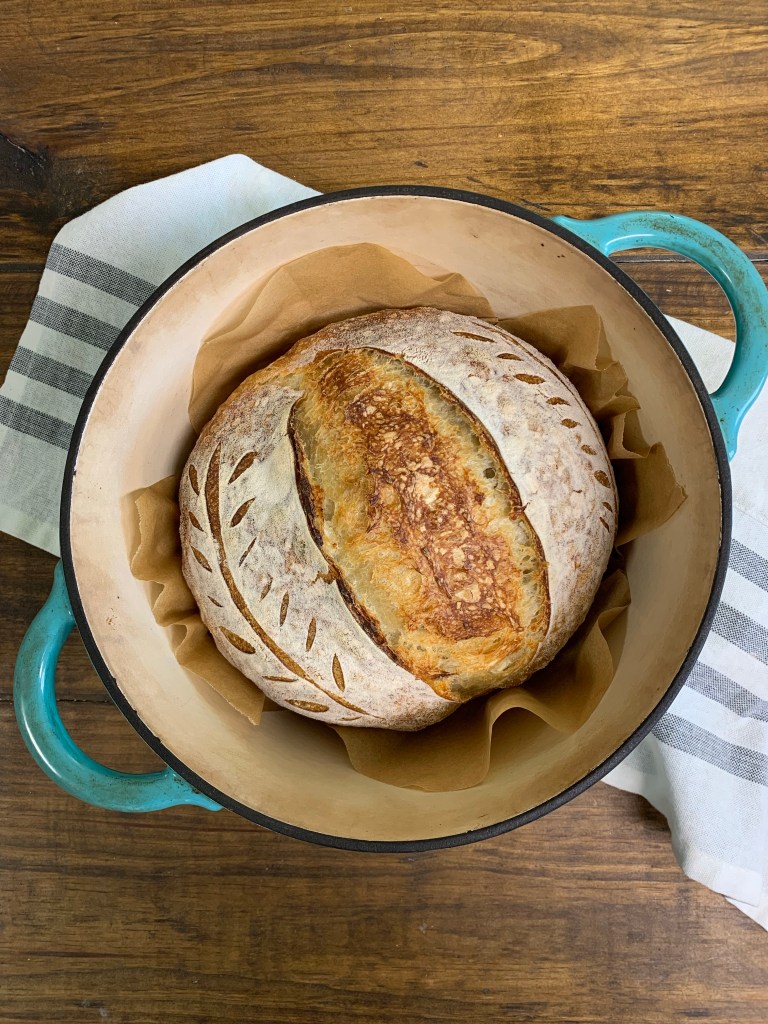
Parchment Paper: Using parchment paper is an easy and cheap way to lower the sourdough bread into the Dutch oven. This eliminates bread sticking to the pan and allows you to retrieve the dough without burning yourself. The bonus is that you probably already have some on hand.
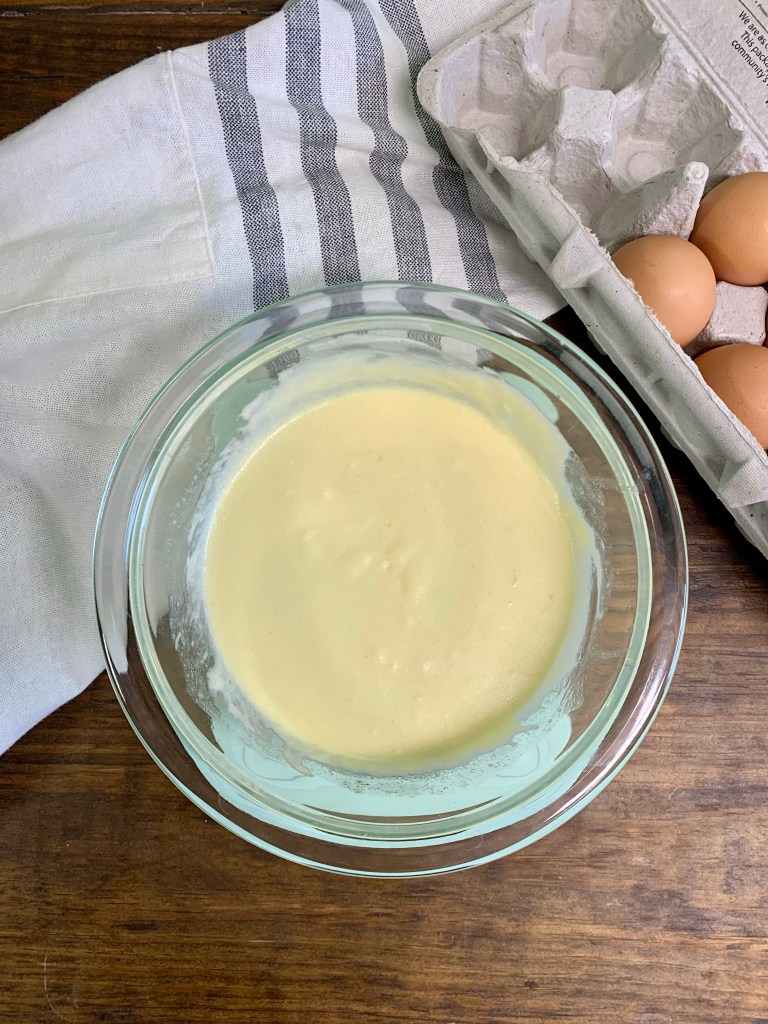
Mixing Bowl: A mixing bowl is the final item on my essentials list. Any mixing bowl will do, but here is one with a cover, so you can allow the dough to proof in it as well.
Non-Essentials
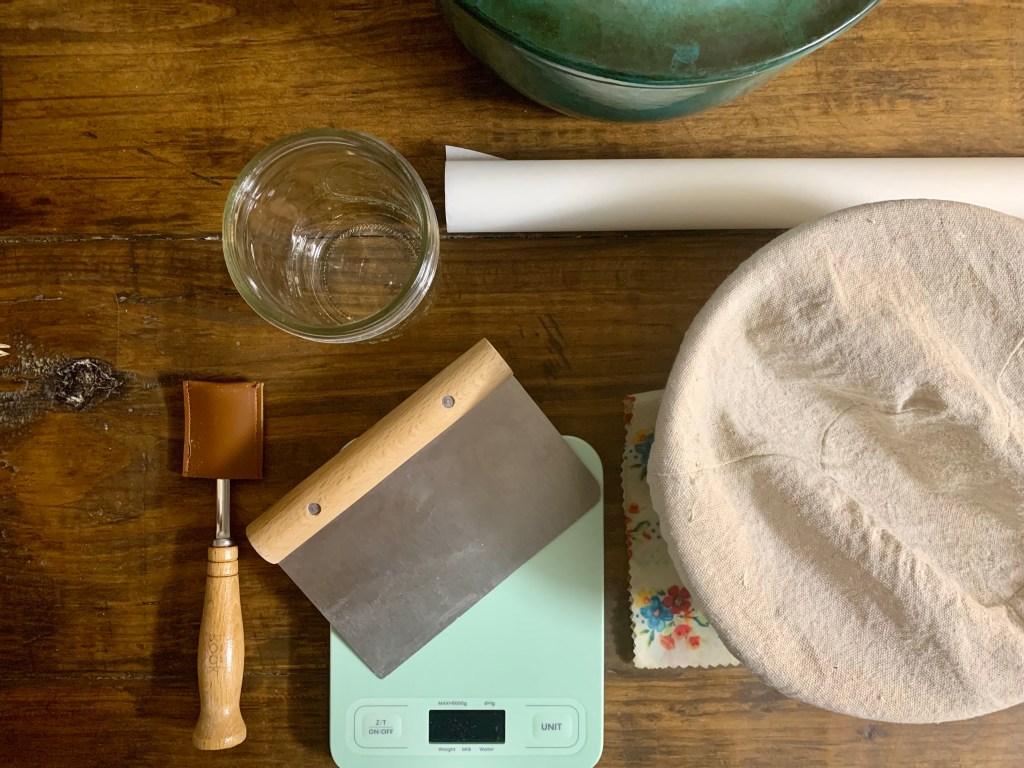
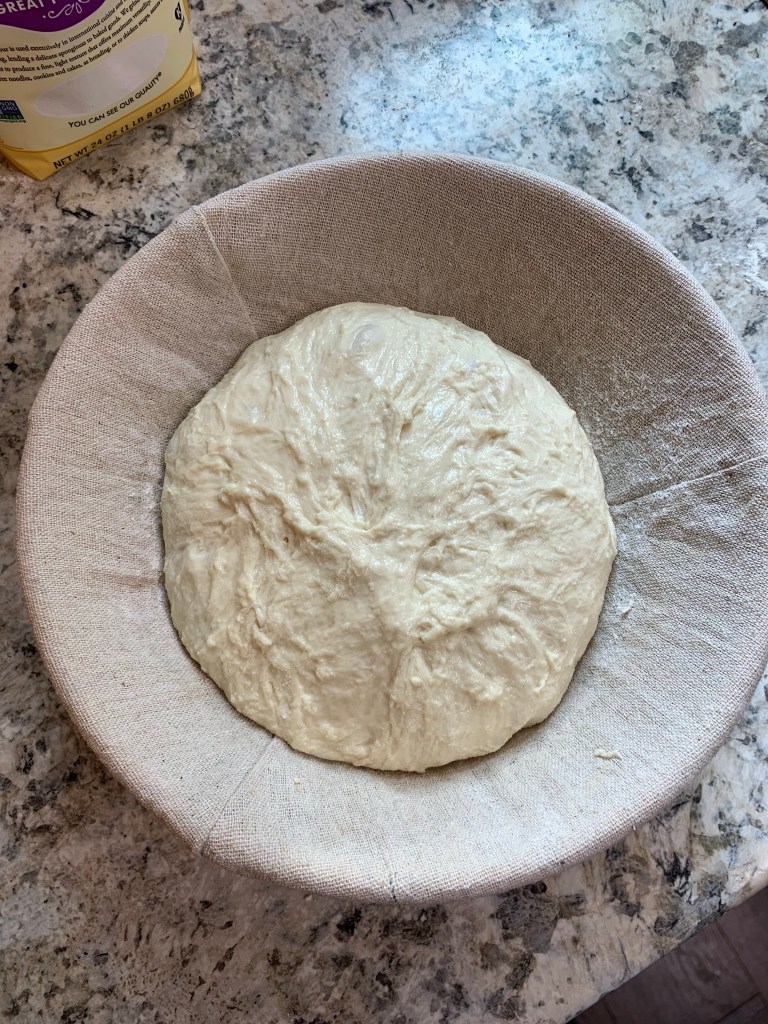
Banneton Basket While you can allow your dough to proof in any bowl, a banneton basket works best. These baskets absorb any moisture left in your bread. This will also aid in your bread shape holding up better during the baking process. This banneton basket option is great. This would set you up to make two loaves at a time.
Danish Dough Whisk: I have used many different tools to use to feed my starter and mix ingredients. Sometimes you just need to use what is on hand or even just your own hands. This Danish whisk is great if you’re looking to add to your sourdough tools. The design allows the whisk to cut through bread, water, and dough without over-mixing.
Bench Scrapper: When it comes to dividing dough, this bench scrapper is a great tool to have on hand. It is so versatile for your cooking needs, but especially when working with bread doughs in the kitchen. I have used my bench scrapper to divide no-knead sourdough loaves, bagel dough, sourdough tortillas, or even to scoop up my dough to move it.

Scoring Knife: If you want to take your sourdough bread up to the next level, I suggest buying a scoring knife, or lame knife like this one. Using a scoring knife to score your bread will allow for steam to escape and help to develop that lovely crust.
Beeswax Wrap : These beeswax wraps are a great option for covering dough while it rises and proofs. While I have used a wet tea towel over my dough in the past, the beeswax wraps keep air out more efficiently. No more checking on tea towels, or re-wetting them.
There are plenty of other tools I could add to this list. I believe with these top five essentials and some non-essentials you should be set to start your own loaf. If you have everything on my list, tell me what you would add in the comments below.
Be sure to subscribe and follow along on the following socials to keep up to date with some of my latest recipes, homemaking projects and more.
You might also enjoy these recipes below!
 Over Easy Homestead
Leave a comment